A two-bedroom home, facing south
Mixed — several classical tensions deserve deliberate remediation.
01 · Section
Raw Data & Observations
Property facts — objective parcel record context, separate from feng shui interpretation.
| Fact | Value | Source |
|---|---|---|
| Address | A two-bedroom home (address not shown) | Report input |
| Parcel ID | Not shown | City parcel records |
| Lot size | 2,593 sq ft | City parcel records |
| Lot area | 240.9 m2 | City parcel records |
| Approx. lot dimensions | 41.3 ft x 103.7 ft | Computed from parcel polygon bbox |
| Record match | address | City address and parcel records |
Roads & Approach
The unit's primary energetic feed comes from the street in front, located just 15.7m to the south, while the cross street introduces a faster, heavier cross-current 19.4m to the east. In classical feng shui, urban roads function as synthetic water courses, carrying and bounding qi based on their speed and proximity. The immediate frontage on a quieter residential street provides steady, beneficial nourishment. However, the close proximity of a secondary arterial on the eastern flank accelerates the local energy, requiring defensive moderation at the unit's boundaries to prevent disruption to the household's stability.
Frontal Qi Collection along the Front Street
The street in front runs closely parallel to the southern face of the building, with the analysis anchor measuring a 15.7m setback. As a residential-class road, traffic moves at a pace that allows qi to pool gently rather than scour the frontage. This steady flow acts as a synthetic water course, successfully gathering energy in front of the building's south-facing aspect without overwhelming it.
『經曰:氣乘風則散,界水則止。』
The Classic says: Qi dissipates when it rides the wind, and halts when bounded by water.
Accelerated Dragon-Side Qi from the Cross Street
The cross street, a secondary arterial, passes just 19.4m to the east of the analysis anchor. Because this road carries heavier, faster-moving vehicular traffic than the street in front, it generates a sharp, disruptive energetic current on the building's left (Dragon) side. Without mitigation, this rapid transit of qi can strip energy away from eastern windows, leading to a sense of instability or unrest for occupants along that wall.
Buffer the eastern windows
medium· East-facing windows and shared wallsAddresses: Accelerated Dragon-Side Qi from the Cross Street
Sealing and softening the eastern boundary slows the aggressive qi carried by the arterial road, preventing it from penetrating the living space.
- Keep eastern windows securely closed during peak daytime traffic hours.
- Install heavier cellular shades or double-lined curtains to dampen acoustic and energetic vibration.
- Ensure window weather-stripping is fully sealed to block localized drafts.
Estimated cost: $50–300 (mid-tier purchase)
- The street in front
- 51.5 ft
- Front street bearing
- S
- The cross street (flank)
- 63.6 ft
- Cross street class
- Secondary Arterial
Wind & Air
Based on Open-Meteo ERA5 climate data and the analysis scope classifying this as an individual unit within a shared building, the residence faces sustained wind exposure on its western flank. While the building's overall mass inherits these prevailing westerlies, the unit's internal qi retention depends entirely on managing its exposed right-side windows. Fortunately, modern air quality tracking (Open-Meteo CAMS) indicates an excellent local atmosphere, meaning the wind carries clean, living energy rather than stagnant urban pollution, provided its velocity is properly regulated indoors.
Seasonal Wind Exposure
Strong westerly winds scatter accumulated qi
According to Open-Meteo ERA5 data, prevailing winds arrive consistently from the west (270°) at an average of 20.5 km/h, acting directly on the home's right (White Tiger) flank. During Winter, Spring, and Autumn, these strong westerlies frequently peak near 31 km/h and strike the exposed side of the building. In Summer, the strong winds shift slightly to the southwest (27.5 km/h), hitting the front-right. Classical principles warn that unsheltered, brisk wind disperses vital energy (『氣乘風則散』). Because you occupy a shared building and cannot plant exterior windbreaks, brisk westerly drafts will easily strip accumulated qi if the western glazing is left open during high winds.
『經曰:氣乘風則散,界水則止。』
The Classic says: Qi dissipates when it rides the wind, and halts when bounded by water.
Regulate west-facing drafts
high· West and southwest windowsAddresses: Strong westerly winds scatter accumulated qi
Sealing the windward exposures prevents fast-moving air from destabilizing the unit's interior energy while you rely on gentler cross-breezes.
- Keep west and southwest windows securely closed during strong winter and spring wind events.
- Install heavy, tightly woven drapery on western windows to buffer thermal drafts and physically contain internal qi.
- When weather permits, prioritize ventilating the unit from the south or east rather than the windward west side.
Estimated cost: free
Air Quality & Environmental Buffering
Clean air and greenspace nourishment
Current Open-Meteo CAMS data reports a US AQI of 37 (Good) with exceptionally low fine particulate matter (PM2.5 at 5.8 µg/m³), ensuring the local atmospheric qi remains clear (清氣) rather than turbid. Additionally, OSM data identifies 10 greenspaces within 500m, with Centanni Park just 79.3m to the southeast. These nearby green pockets help soften the rigid urban windscape and generate vital living energy (生氣), supporting the classic priority of gathering and holding benign qi.
『古人聚之使不散,行之使有止,故謂之風水。』
The ancients gathered it to prevent its dissipation, and guided it to ensure it halted; therefore, it is called fengshui.
Water & Drainage
The block's water geography is highly favorable, anchored by a canal acting as a primary water mouth (水口) in the southeast without introducing flood risk. The map's lapis arrow marks the water mouth 348m to the southeast, positioned safely outside the immediate unit-entry scale but close enough to define the neighborhood's energy basin. Because the unit occupies a FEMA Zone X designation, it can receive the wealth-gathering properties of nearby water without the destabilizing threat of inundation.
Neighborhood Water Dragon & Qi Boundary
Southeast water mouth bounds local qi
The canal to the southeast, located 348m away, operates at the shared-block scale to capture and pool the neighborhood's energy. In classical form school, water serves as the definitive boundary that stops and collects environmental life force. Its placement to the front-left (southeast) of the south-facing building provides a steady accumulation of beneficial qi.
『經曰:氣乘風則散,界水則止。』
The Classic says: Qi dissipates when it rides the wind, and halts when bounded by water.
Secure hydrological foundation (Zone X)
The parcel sits entirely outside the Special Flood Hazard Area (FEMA Zone X). Receiving water is the highest priority in traditional practice, but it must not threaten the physical dwelling. This low-risk designation ensures the home enjoys the prosperous influence of the canal without the vulnerability of seasonal flooding or stagnant sha water.
『風水之法,得水為上,藏風次之。』
In the method of fengshui, obtaining water is supreme, and hiding from the wind is next.
| Kind | Name | Distance | Bearing | Compass | Area | Length |
|---|---|---|---|---|---|---|
| river | A canal | 348.3 | 113.2 | SE | 12228 | 745.4 |
Surrounding Buildings
The subject unit operates within a dense urban residential framework, sharing a 781-square-meter apartment footprint with five other addresses. Excluding the host structure itself, 177 surrounding built forms sit within a 200-meter radius, averaging 8.5 meters in height. The nearest freestanding neighbor is located 32.9 meters to the northwest, indicating that while the broader block is heavily built up, the immediate perimeter maintains functional spatial gaps before encountering the next distinct building mass.
Dense Urban Wind-Shielding
The presence of 177 surrounding structures within 200 meters provides significant environmental buffering for the unit. This heavy architectural density effectively breaks prevailing urban wind tunnels, allowing *qi* to settle rather than being stripped away by high-velocity crosswinds. The classical priority of 'concealing the wind' is well-served by this established neighborhood massing, stabilizing the overall environment without requiring additional exterior screening.
『風水之法,得水為上,藏風次之。』
In the method of fengshui, obtaining water is supreme, and hiding from the wind is next.
Constrained Southern Clearance
A three-story terrace building (approximately 9 meters tall) sits 49.2 meters directly to the south of the subject footprint. While this gap allows adequate light, the facing elevation of the unit is directly confronted by the mass of this neighboring structure, limiting the depth of the front spatial void (bright hall) and potentially exposing the southern windows to direct overlooking.
Filter the southern aspect
medium· South-facing windowsAddresses: Constrained Southern Clearance
Filtering the lower sightlines re-establishes internal privacy while maintaining the essential ambient light from the constrained southern gap.
- Install sheer window treatments or top-down bottom-up blinds on all south-facing windows.
- Keep the lower portion of the windows visually obscured to block direct sightlines from the facing terrace.
- Ensure the upper panes remain unobstructed to maximize natural light intake.
Estimated cost: $50–300 (mid-tier purchase)
Surrounding massing profile (200m radius)
- Mapped surrounding buildings
- 177
- Average neighbor height
- 27.9 ft
- Nearest freestanding neighbor (nw)
- 107.9 ft
- Facing terrace building (s)
- 161.4 ft
Terrain & Elevation
The site’s gentle 1.51° southeastern descent and sandy soil profile prioritize sunlight over ground-level qi retention. Supported by higher terrain to the west rather than a traditional northern backing, the south-facing unit benefits from abundant solar yang energy but requires intentional interior grounding to stabilize its foundation against rapid energy drainage.
Unanchored Rear and Rapid Drainage
The local topography drops toward the southeast, with the highest nearby elevation situated to the west (+2.9m). Because the unit faces South, the traditional Black Tortoise (northern rear) lacks physical elevation, while the White Tiger (west) provides asymmetric support. Coupled with the somewhat excessively drained sandy soil, the site struggles to retain vital moisture and terrestrial energy. Zangshu warns that vital energy travels through the earth but escapes when unbounded; the rapid physical drainage mirrors a potential loss of wealth-retaining qi.
『五氣行乎地中,發而生乎萬物。』
The five qi circulate within the earth, emerge, and generate the ten thousand things.
Exceptional Frontal Solar Exposure
The south-facing orientation capitalizes perfectly on the open southeastern slope, securing up to 12 hours of uninterrupted spring and autumn sunlight at the front facade. This compensates for the lack of strong rear terrain by pulling highly active, pure yang energy through the primary frontage, activating the unit's Ming Tang (Bright Hall) naturally.
Ground the southeast
medium· Southeast rooms or lower windowsAddresses: Unanchored Rear and Rapid Drainage
Introducing dense earth elements at the lowest point of the slope digitally replicates the missing geographical container, slowing the escape of qi.
- Place heavy, low-profile ceramic or stone planters in the southeast corner.
- Ensure lower window seals are completely airtight to prevent low-level drafts.
- Add a deep-rooted indoor plant in heavy soil to mimic terrestrial anchoring.
Estimated cost: $50–300 (mid-tier purchase)
Moderate Radon Presence
The property sits in EPA Radon Zone 2, indicating a moderate potential for naturally occurring radioactive gas seeping through the porous sandy soil. In classical terms, this represents a modern manifestation of hidden sha qi (noxious earth energy) rising into the living space, particularly affecting lower or basement-level units.
Monitor for earth sha
high· Lowest living levelAddresses: Moderate Radon Presence
Active monitoring and sealing physically blocks noxious earth vapors from degrading the indoor energetic environment.
- Deploy a long-term (90-day) digital radon monitor at the lowest habitable floor.
- If levels exceed 4.0 pCi/L, install an active sub-slab depressurization system.
- Seal foundation cracks or baseboard gaps where floor meets wall.
Estimated cost: under $50 (low-cost adjustment)
- Property elevation
- 31.8 ft
- Local slope
- 1.5°(SE)
- Highest nearby terrain
- W
- Relative height of west peak
- 9.4 ft
- Soil map unit
- Sandy urban land complex
- Drainage class
- Somewhat excessively drained
- Sand content
- 60%
- Surface p h
- 5.1
- Radon risk
- Zone 2
02 · Section
Feng Shui Analysis
Four Animals 四象
This South-facing (164°) unit relies on the surrounding urban fabric to form its Four Animals (四象) protective embrace. In this orientation, the Azure Dragon resides to the left (East), the White Tiger to the right (West), the Vermilion Bird to the front (South), and the Black Tortoise to the rear (North). The building enjoys a highly stable Tortoise backing, providing essential structural security. However, the flanks are significantly unbalanced: the Western Tiger side exerts nearly twice the mass and pressure of the Eastern Dragon. Combined with a constrained Southern bright hall, the external form pushes heavy, inactive yin energy toward the unit, requiring internal remedies to restore vitality and command.
Rear Support & Bright Hall
Solid Tortoise Anchoring
The Black Tortoise (North) quadrant is the strongest aspect of the property's immediate environment. With 50 structures contributing to a weighted support score of 10.91, the rear of the block is thoroughly guarded. The nearest significant structure is situated at a comfortable 32.9m distance, ensuring the building has secure backing without feeling suffocated.
『風水之法,得水為上,藏風次之。』
In the method of fengshui, obtaining water is supreme, and hiding from the wind is next.
Constrained Phoenix Frontage
The Southern Vermilion Bird sector, which serves as the property's Ming Tang (明堂) or bright hall, is heavily congested. An urban frontage pressure score of 7.5 indicates that the space intended to gather and settle incoming qi before it enters the building is compressed by dense neighboring forms, limiting the natural expansion of opportunities and wealth energy.
Expand the bright hall
high· South-facing windows and unit entryAddresses: Constrained Phoenix Frontage
Because the external bright hall cannot be physically altered, expanding the internal perception of space and light at the Southern boundary is required to draw in constrained qi.
- Remove all physical obstructions, heavy drapes, or clutter immediately inside the South-facing windows.
- Install bright, warm-toned upward lighting near the South windows to simulate a wider, more active gathering space.
- Use reflective surfaces or mirrors on the side walls near the entry to visually widen the incoming light.
Estimated cost: under $50 (low-cost adjustment)
Flank Balance
Aggressive Tiger Dominance
Classical form school requires the Azure Dragon (Left/East) to be slightly taller and more substantial than the White Tiger (Right/West) to maintain leadership and stable growth. Here, the data reveals a severe reversal: the Tiger quadrant exerts a weighted mass of 13.97 (from 68 buildings), nearly double the Dragon's meager 6.91 (from 31 buildings). This pronounced right-side dominance introduces a risk of heightened stress, disputes, or feeling overwhelmed by external pressures, as the protective yang flank is outmatched by the defensive yin flank.
Elevate the Dragon flank
high· Eastern wall and left side of the unitAddresses: Aggressive Tiger Dominance
By introducing strong verticality and active growth on the Eastern side of the interior, occupants can synthetically boost the Dragon's presence to counterbalance the heavy Western exterior.
- Place tall, vigorous, upward-growing indoor plants (such as a money tree or bamboo) along the Eastern wall of the main living space.
- Introduce vertical design elements, such as tall bookcases or upward-facing floor lamps, exclusively on the left side of the unit.
- Keep the Western (Tiger) side of the unit physically lower and visually quieter, avoiding heavy or loud electronics there.
Estimated cost: $50–300 (mid-tier purchase)
Four Animals Balance & Weighted Support
| Quadrant | Compass | Weighted mass | Building count |
|---|---|---|---|
| Tortoise (Back) | N | 10.91 | 50 |
| Phoenix (Front) | S | 7.5 | 28 |
| Dragon (Left) | E | 6.91 | 31 |
| Tiger (Right) | W | 13.97 | 68 |
Flying Stars 玄空
This unit's Period 9 flying stars chart is structurally challenged by a 'Reversed' (上山下水 - Upper Mountain Down Water) alignment, meaning the prosperous mountain star (9) falls to the South facing and the prosperous wealth star (9) retreats to the North sitting. Without a reversed external environment—such as a tall neighboring building shielding the front and open space at the back—this configuration struggles to support both health and wealth naturally. In an urban unit, mitigating this requires treating the south frontage as a quiet, solid zone and activating the north interior with open movement.
Reversed Prosperous Stars (Up Mountain, Down Water)
The Period 9 chart places the primary wealth star (Water 9) at the North sitting and the primary health star (Mountain 9) at the South facing. The classical tradition teaches that heavenly stars must match earthly forms; a mountain star at the active front facing risks instability in health and relationships, while a water star trapped at the quiet back suppresses financial opportunities.
『第二節中卷化機經曰:天有五星,地有五行,天分星宿,地列山川,氣行於地,形麗於天,因形察氣,以立人紀。』
Chapter 2, Middle Scroll: The Mechanism of Transformation. The Classic says: Heaven has the five planets, Earth has the five phases. Heaven separates the stellar lodges, Earth arrays mountains and rivers. Qi moves in Earth, form manifests in Heaven. By tracing form to observe qi, human principles are established.
Reverse the interior activity
high· South facing and North sitting zonesAddresses: Reversed Prosperous Stars (Up Mountain, Down Water)
Reversing the internal activity levels compensates for the chart's structural misalignment by giving the mountain star stability and the water star movement.
- Keep the south-facing windows heavily draped or partially blocked with solid furniture to simulate a 'mountain'.
- Place active elements like a television, fan, or a clean indoor water feature in the north sector.
- Ensure the north sector remains open and uncluttered to liberate the trapped wealth star.
Estimated cost: under $50 (low-cost adjustment)
Affliction of the Patriarch Sector
The Northwest sector, mapped to the Qian trigram governing the father or male head of household, hosts the hostile 5-Yellow water star. Activating this area with renovations, open windows, or excessive movement can trigger financial or health setbacks for the patriarch.
This is a classical symbolic correspondence, not an empirical prediction.
03 · Section
Life Areas
What the seals mean
As on a temple fortune slip: 吉 supported · 平 mixed · 化 ready to transform — a remedy is waiting · 安 settled. Red is the seal's ink, not a warning.
04 · Section
Remedies & Recommendations
The path to a better score
Started at 56 · Goal 85
Each remedy you finish gains back the points it shows.
Why not 100?
Remedies change what is inside your home; the land, roads and buildings around it stay as they are. 85 is the best this home can reach — and going from Mixed to Great is a real change.
Remedies
The interior of this home must correct for several external imbalances: a reversed Period 9 chart that traps wealth energy at the back, aggressive winds and road traffic battering the exposed flanks, and a heavy neighboring building to the West that stifles the home's natural leadership energy (Dragon). Because you control only the interior, we will use heavy furnishings to simulate missing terrain, strategic lighting to expand constrained spaces, and active water to force the trapped wealth star into motion.
Anchor the front with stone
highStone· South frontageAddresses: Reversed Prosperous Stars (Up Mountain, Down Water)
The health star sits at the south front, where it falls into open space. Weight holds it: a heavy urn or ceramic piece at the south windows.
- Place a heavy stone urn or large ceramic piece at the southern frontage to ground the Mountain star.
What you need
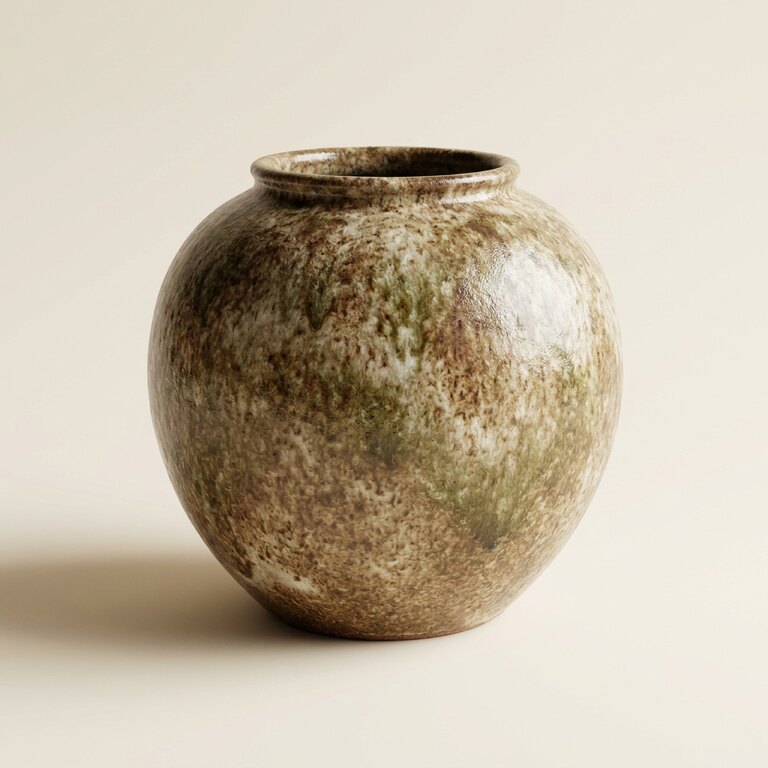
Heavy ceramic or stone urn
陶甕
Glazed ceramic or stone urn, 30–50 cm, heavy
Where: South frontage
$60–200
Estimated cost: $50–300 (mid-tier purchase)
Activate the back with water
highWater feature· North living areaAddresses: Reversed Prosperous Stars (Up Mountain, Down Water)
The wealth star sits at the north back, where money gets stuck. Moving water there keeps it active.
- Set up a tabletop fountain in the northern living area to keep the Water star active.
- Keep the fountain running during the day, but never place it inside a bedroom.
What you need
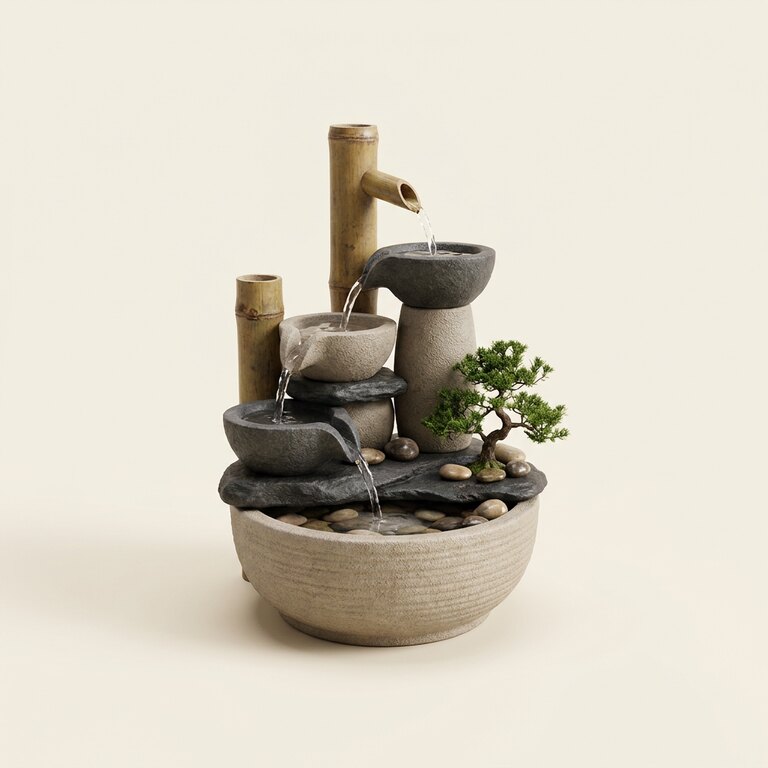
Tabletop fountain
流水擺件
Small recirculating fountain, 25–40 cm, with the water flowing toward the room
Where: North living area
$40–120
Estimated cost: under $50 (low-cost adjustment)
Seal the western windward exposures
highFurniture· West and Southwest windowsAddresses: Strong westerly winds scatter accumulated qi
Strong seasonal winds strip accumulated qi from the home's right side. Blocking this physical draft preserves the interior energy envelope.
- September–November: keep the west windows shut and draw cellular blinds at dusk.
- December–February: keep the west windows shut and draw cellular blinds at dusk.
- March–May: keep the west windows shut and draw cellular blinds at dusk.
- Apply weatherstripping to any loose window frames on these exposed walls.
What you need
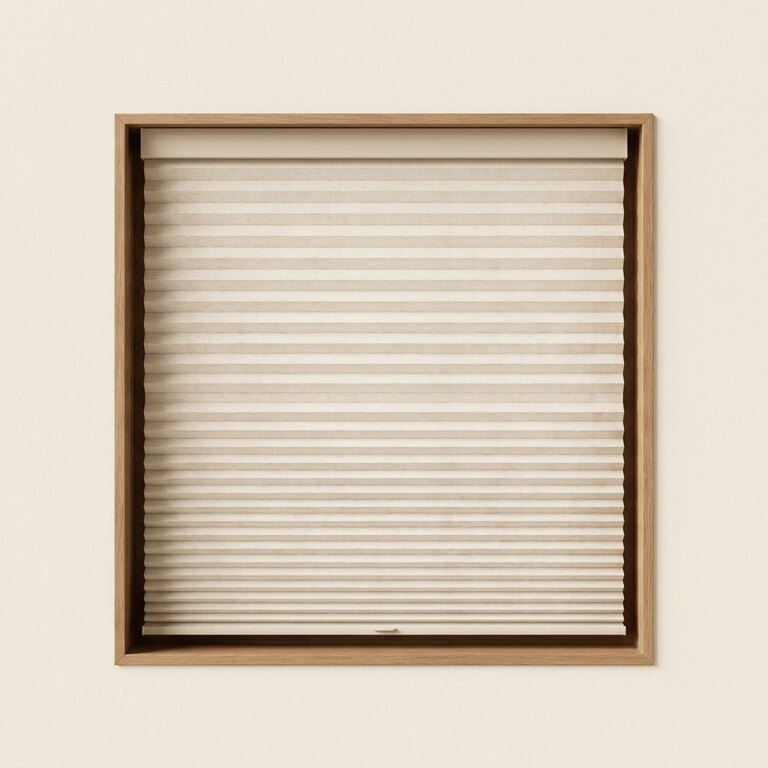
Cellular (honeycomb) blinds × 4
蜂巢簾
Blackout cellular blinds sized to the window
Where: West and southwest windows
$40–120 each
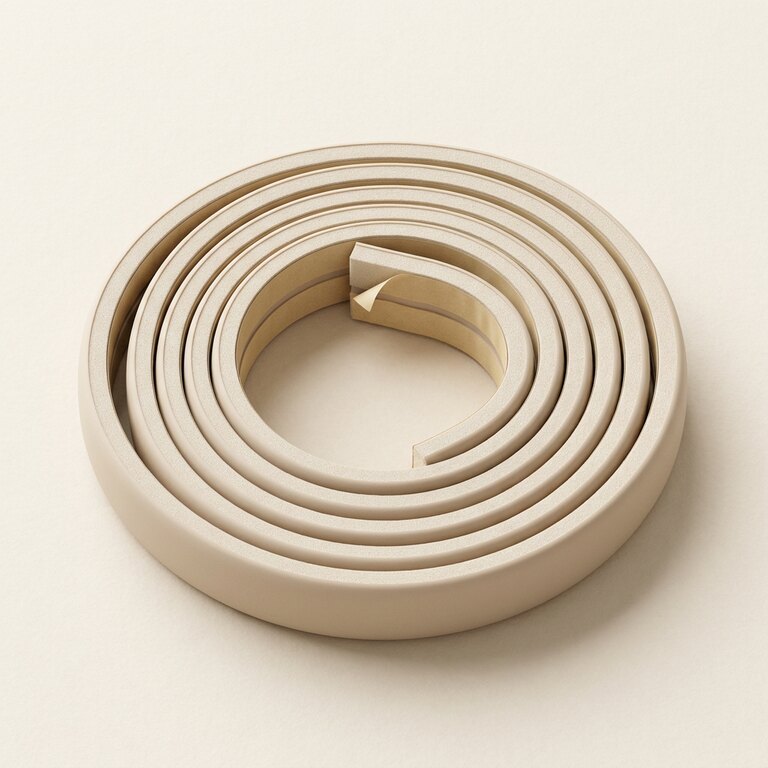
Adhesive weatherstripping
門窗密封條
Foam or silicone weatherstripping, sized to the frame
Where: Loose window frames on the west side
$10–20
Estimated cost: $50–300 (mid-tier purchase)
『經曰:氣乘風則散,界水則止。』
The Classic says: Qi dissipates when it rides the wind, and halts when bounded by water.
Elevate the Dragon flank internally
highFurniture· East wallAddresses: Aggressive Tiger Dominance, Accelerated Dragon-Side Qi from the Cross Street
The heavy external buildings to the West (Tiger) and fast traffic to the East (Dragon) create an imbalance that causes relational stress and instability.
- Install a tall, solid bookcase against the eastern wall of your primary living space or office.
- Load the bottom shelves heavily to ground the structure.
- This vertical mass acts as an acoustic buffer against the cross street and synthetically boosts the Azure Dragon.
What you need
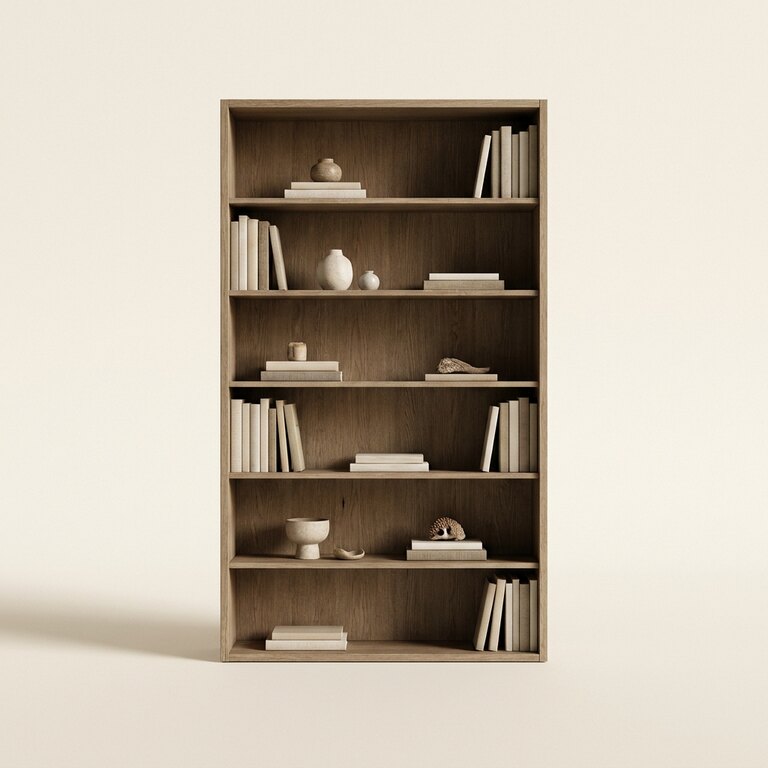
Tall solid bookcase
高書櫃
Solid bookcase, 180 cm+ tall, filled
Where: East wall of living room or office
$120–350
Estimated cost: $300+ (professional install / major remedy)
Suppress the 5-Yellow in the Northwest
highDecor· Northwest cornerAddresses: Affliction of the Patriarch Sector
The hostile 5-Yellow star currently occupies the Northwest, posing a risk to the patriarch or male head of household if disturbed.
- Place a salt-water cure out of sight in the Northwest sector of the home.
- Avoid renovations, hammering, or loud stereos in this corner.
- Keep the area clean, quiet, and dimly lit when not in active use.
What you need
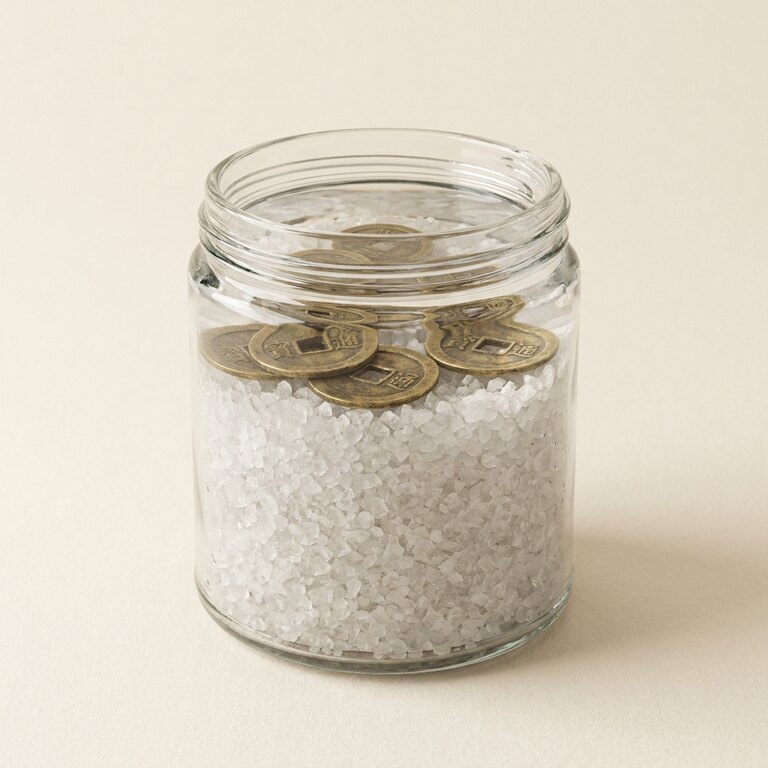
Salt-water cure
鹽水瓶
A clear glass jar, coarse sea salt to two-thirds, six brass coins on top, topped up with water
Where: Out of sight in the Northwest
$10–15
Estimated cost: under $50 (low-cost adjustment)
Brighten and ground the Southern entry
mediumMirror· South entryAddresses: Constrained Phoenix Frontage, House-Person Compatibility — Facing Conflict
The cramped southern exterior limits the Bright Hall, and the Fire of the South clashes with the occupant's Metal nature. Earth elements bridge this conflict.
- Mount a round mirror on a side wall near the entry to visually expand the constrained Bright Hall (never face it directly at the door).
- Place a Golden Pothos nearby; its Earth element harmonizes the structural Fire (South) with the occupant's Metal Kua.
What you need
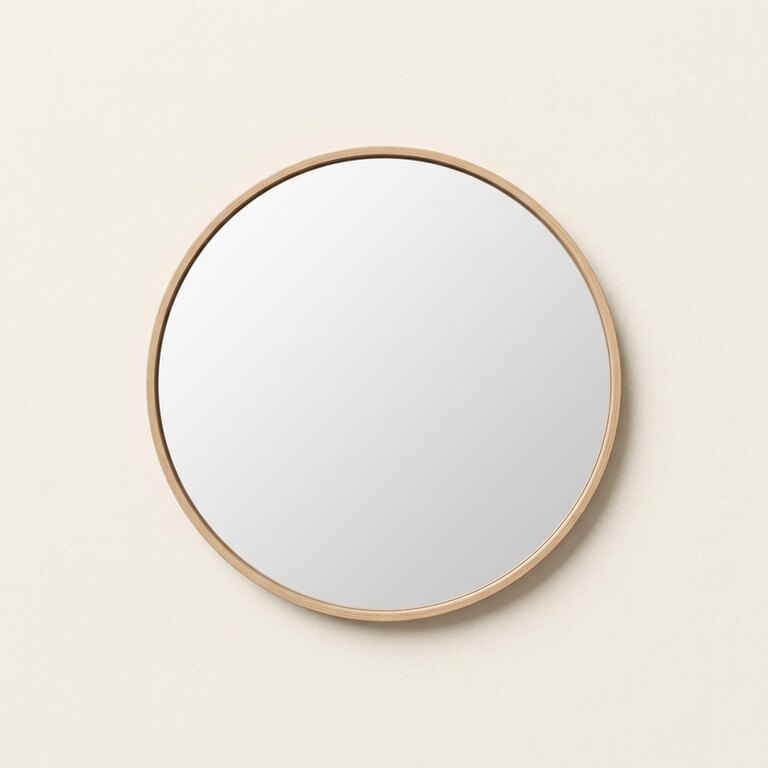
Round mirror for the entry
玄關圓鏡
Round mirror, 60–80 cm, plain frame
Where: South entry side wall
$40–100
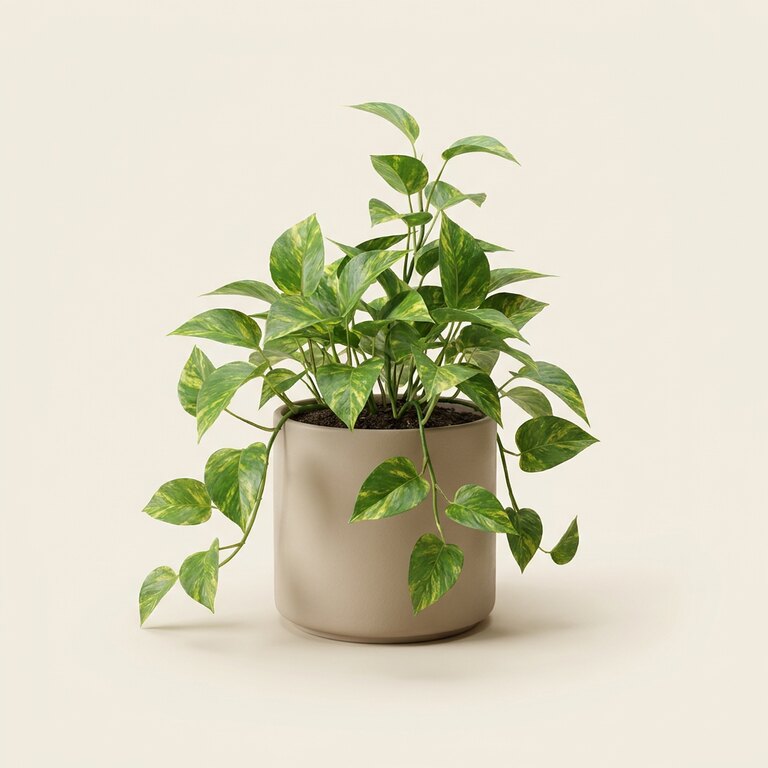
Golden Pothos
黃金葛
Golden Pothos, potted, 80–120 cm
Where: Near the South entry
$15–30
Estimated cost: under $50 (low-cost adjustment)
Classical Sources Cited
- Zangshu (葬書)— Guo Pu(4th c. CE)
- Yangzhai Shishu (陽宅十書)— Wang Dai(16th c. CE)
- Qingnang Jing (青囊經)— Attributed to Huang Shigong(Han Dynasty)